Inly School Winter Break Survival Guide

Supporting Rest, Regulation, Connection, & Re-Entry
Winter Break can be a meaningful time for rest, connection, and flexibility — and it can also bring changes in routine, transitions between caregivers or environments, and varying levels of stimulation. This guide is designed to offer practical, inclusive tips and activities to support students across Toddler House through Middle School, while helping families plan for a smoother return to school in January.
This guide reflects Inly’s commitment to whole-child development, belonging, and accessibility, and is shared by our Learning Services Team to support a wide range of learning styles, family structures, and needs.
Guiding Principles for Winter Break
- There is no single right way to do break.
- Regulation looks different for every child — and every family.
- Consistency helps, but flexibility matters, too.
- Breaks are about rest and readiness — both count.
Supporting Regulation During Break
Maintain “Anchors” in the Day
Even when routines shift, try to keep 1–2 familiar anchors:
- A consistent wake-up or bedtime window
- A morning or evening ritual (reading, music, movement, quiet time)
- A daily outside or movement break
These anchors help children feel oriented and secure, especially during longer stretches away from school.
.jpg) Tips & Activities by Developmental Level
Tips & Activities by Developmental Level
Toddler House (TH)
Focus: Sensory regulation, predictability, connection
- Keep daily rhythms simple and repeatable
- Offer sensory-rich play (water play, scooping, pushing, pulling)
- Use visual cues or photos to preview transitions
- Limit overstimulation when possible (noise, crowds, screen time)
Helpful Activities
- Heavy work (pushing laundry baskets, carrying groceries)
- Music and movement
- Quiet play spaces with pillows, books, or soft toys
Children’s House (CH)
 Focus: Growing independence, rhythm, emotional language
- Keep daily rhythms simple and predictable
- Offer limited, meaningful choices
- Use clear language to preview transitions
- Name and normalize feelings as they come up
- Balance independence with shared connection
Helpful Activities
- Practical life tasks (pouring, folding, helping prepare food)
- Imaginative play and storytelling
- Art or sensory play with simple materials
- Calm movement (stretching, yoga, animal walks)
- Storytelling, picture books, and retelling familiar stories as a family
 Lower Elementary (LE)
Focus: Structure + choice, movement, emotional check-ins
- Use a loose daily plan with choices
- Balance active time and rest
- Preview changes in advance (“Tomorrow will be different because…”)
- Normalize big feelings that can come with schedule shifts
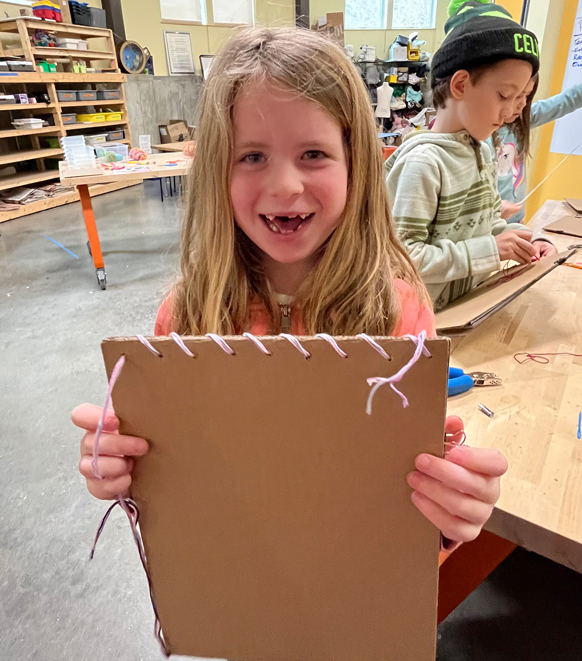
Helpful Activities
- Art, drawing, journaling
- Baking or practical life work
- Outdoor exploration
- Reading together or independently
Upper Elementary (UE)
 Focus: Autonomy, social connection, self-regulation
- Involve children in planning parts of their day
- Encourage responsibility for materials and routines
- Build in movement and downtime
- Support healthy social connection without over-scheduling
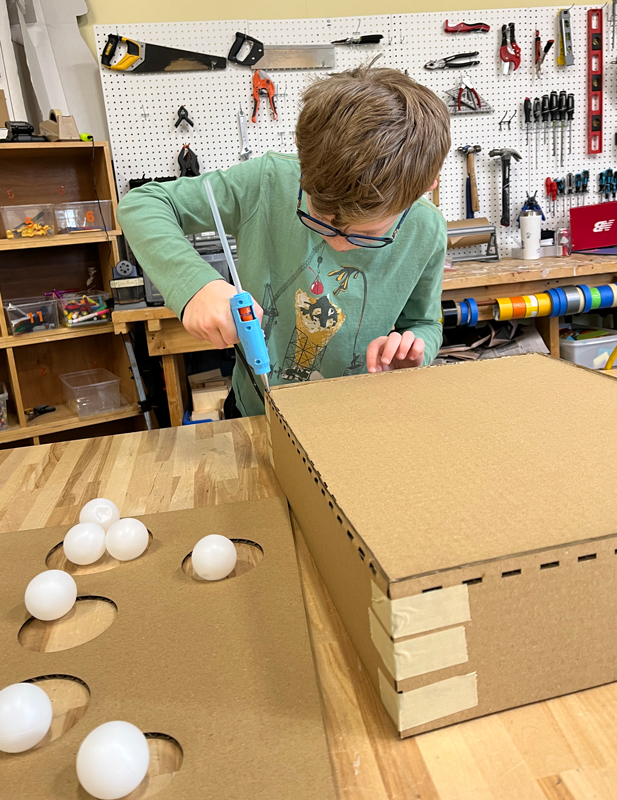
Helpful Activities
- Creative projects
- Board games and collaborative play
- Nature walks or physical challenges
- Reflection or gratitude journaling
- Read or listen to a “family read” together and talk about it
Middle School (MS)
 Focus: Balance, independence, re-entry readiness
- Support sleep consistency
- Encourage goal-setting for break and return
- Balance screen time with movement and connection
- Respect the need for both solitude and social time
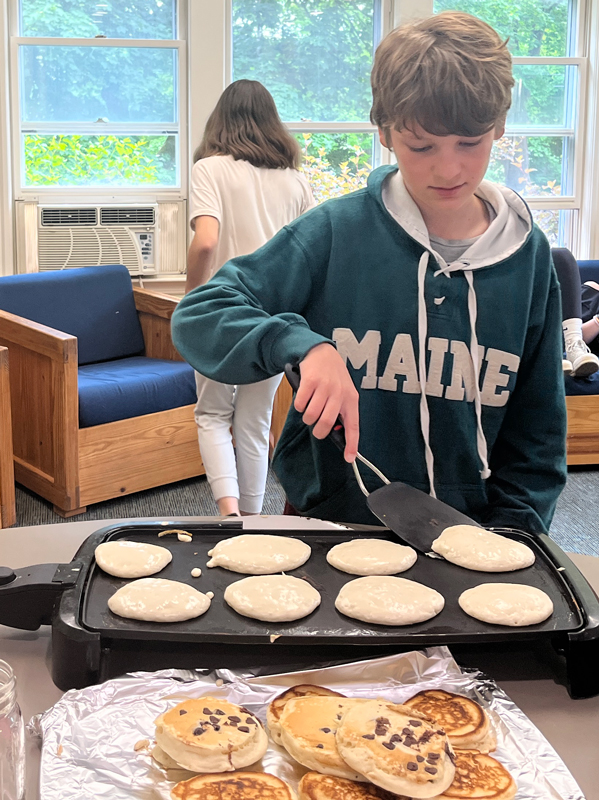
Helpful Activities
- Independent reading
- Physical activity or fitness challenges
- Creative or interest-based projects
- Planning tools or reflection prompts
- Read or listen to a “family read” together and talk about it
Supporting Sensory & Emotional Needs (All Ages)
- Build in daily movement
- Create quiet spaces for rest and regulation
- Offer choices when possible
- Validate emotions without rushing to fix
- Model regulation strategies as adults
Preparing for a Successful Return to School
Re-entry can be just as important as the break itself.
A Few Days Before School Resumes:
- Gradually return to school-day sleep schedules
- Reintroduce familiar routines (packing bags, laying out clothes)
- Talk openly about returning — excitement, worries, and questions are all normal
- Preview what the first days back will look like
On the First Days Back:
- Expect some adjustment
- Offer patience and reassurance
- Keep evenings calm and predictable
A Final Note from Learning Services
Winter Break can hold many experiences — joy, rest, challenge, change, and growth. This guide is meant to offer options, not expectations, and to support families in finding what works best for their child and their context.
If you have questions or would like additional support, the Learning Services Team is always available to partner with you.
Content Source: Harkla
Photo by Elina Volkova